Film Lighting
Lighting is all about scenario.


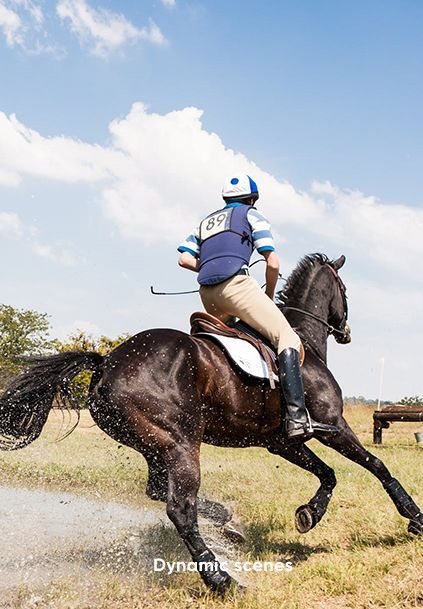
 Dynamic scenes
Similar to photography & studio applications, lighting is a key factor for video and film production and is a powerful tool for representing the dramatic effects created by the director or cinematographer. Photography lighting is always under still scene, while film lighting is more likely for motion scenarios, but both desire high color rendition and accurate colors.
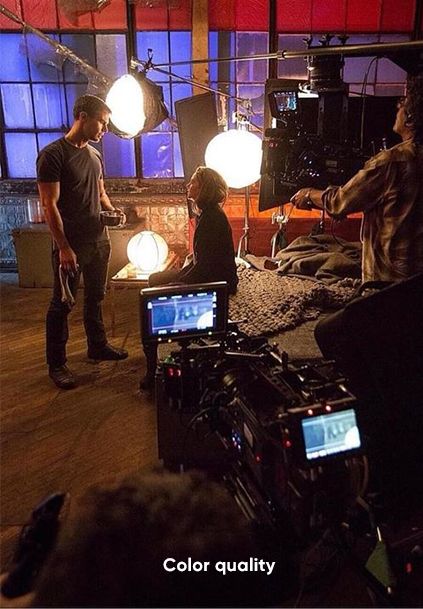
 Color quality
Skin tone rendering is always crucial especially with motion films, details are essential. The stability, consistency and color quality of the light sources are key factors, in this case, the quality is not only about CRI, but also about color maintenance and tolerance.
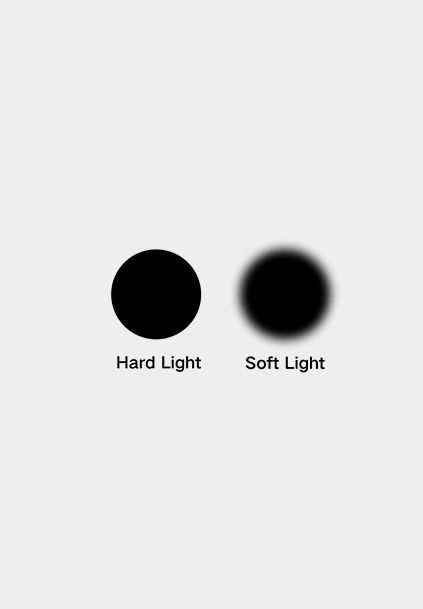
 Hard light & soft light
From simulating moonlight to sunlight, a flexible lighting environment is required. Gaffers usually separate the light as hard or soft light to create different shooting scenes. The style of light is different as well. A hard light always generates crisp shadows by Fresnel lights, where the edge between the illumination and the shadow is “hard”, while a soft light comes with shadowless effect, and is created by a lighting panel.
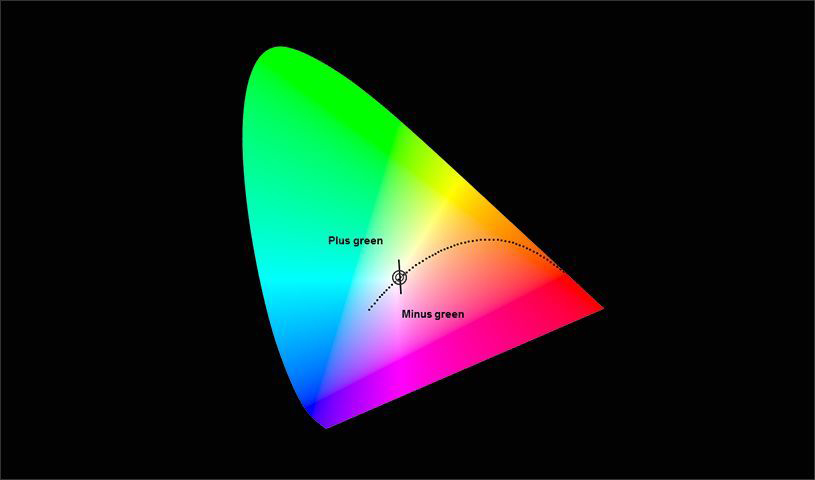
Different cameras have different spectral responses. This leads the image or video to bring different tones, generally with green or a magenta tendency, then a standard white light measured by spectrometer is not necessarily the same standard as under cameras.
For example, camera A is generally considered to be greenish while camera B is magenta tendency, then you need to get at least 2 lights:
• Light A: with a magenta tone to calibrate camera A;• Light B: with a green tone to calibrate camera B.
Obviously, this is complex and high cost, both for capital and time, however, the function of reverse compensation in universal lighting is significant in making the final lighting the correct white.
To achieve ideal dramatic effects, there is always the demand of adding different colors to simulate different gels, in addition to high-quality white light, in which accurate and full gamut colors are necessary.
Adding colors is not as simple as it looks. There are specific definitions for different gels, and the possibility to tune different hues and saturations decides if the light is used rationally. For advanced LED technology, it is important to control the dominant / peak wavelengths and the tolerance of each other to achieve precise color points.
As the principle of quantification, monochromatic light is mainly about achieving the specific chromaticity coordinate on the CIE diagram and maintaining the stability and consistency after long running hours. This is also important when mixing more than 2 monochromes for a comprehensive effect. If any of the color element are not stable, the whole tuning system will fall into disorder.
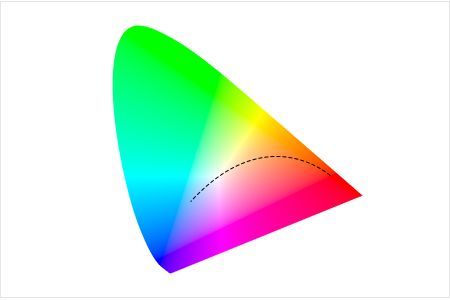
x=0.178 y=0.323
x=0.328 y=0.224
x=0.538 y=0.411
x=0.137 y=0.131
x=0.423 y=0.399
Compared to monochromes, white light is more focused on simulating natural light, unlike the definition from Energy Star, which regulates DUV tolerance as ± 0.006, and target DUV as positive values at daylight CCTs. An ideal white light for film should be always close to the Planckian locus (Blackbody locus) at all CCTs, quantitatively, not beyond 0 ± 0.003. This is how we can get the pure white light base to be involved in the spectral tuning recipes.
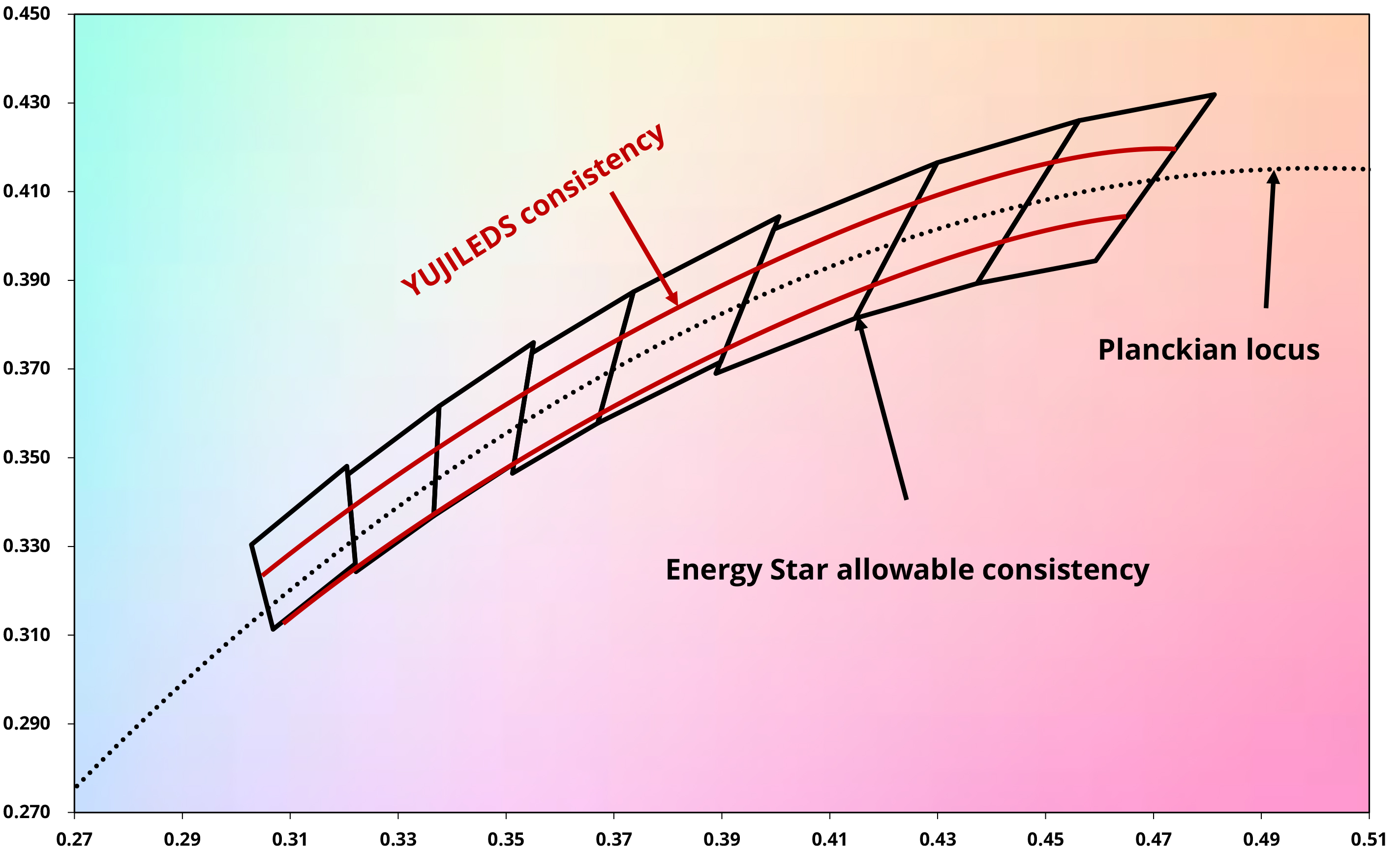
Filming is dynamic, and slow motion is widely used for creating artistic effects which require a strict flicker-free lighting environment. It is possible to see general flicker-free light, but it may not be qualified when turning the camera to higher speed.
Fluorescent flicker
LED flicker

The principle of luminosity of fluorescent is that electric pulses excite the mercury vapor in the tube, then the mercury vapor generates UV light to cause the phosphor to fluoresce in visible light. The ballast provides high speed pulses of electricity at around 5KHz, then generally the flicker will not be sensed by eyes, but it could be captured by cameras at slow motion, this results in that a general fluorescent can not be well used for filming.




The essence of LED is a type of direct current component, so LED itself is flicker-free if the correct and stable driving current is loaded. When converting AC to DC, the driver will carry out a series of tasks including rectification and filtering, in this process flicker might be generated, taking the method of Pulse-Width Modulation (PWM) as example, the frequency is suggested to be at least 25KHz to avoid visible flicker at high speed shooting at 120 FPS.

Ultra violet
405nm

Royal blue
455nm

Cyan
470nm

True green
520nm

Lime green
550nm

Amber
600nm

Deep red
620nm

Dark red
630nm

Near infrared
730nm

Custom

Extreme warm
2200K

Warm
2700K

Tungsten
3200K

Daylight
5600K

Cold
6500K

Extreme cold
10000K

Custom
Industrial highest CRI / TLCI LED solutions for white light.
Wide CCT options with all feasible colors for film lighting including customization demand.
High consistency of chromaticity bins all along with Planckian locus.
Saturated and accurate monochromatic LED solutions, dominant wavelength as tightest as 2.5nm tolerance for achieving amazing chroma consistency.
Full flexibility for integrating LEDs with high CRI / TLCI white light and monochromatic light.
Accessories that support multichannel control and anti-flicker feature even at slow motion mode.
Service of customizing tunable spectrum for specialized projects or products.
Service of customizing specific chromaticity bins for matching variable demands.
Service of customizing flexible strip, metal core printing circuit boards or other half-finished products with strict color quality control.